When to Come to Bangkok for the Best Hotel Prices
Booking-site price data puts September at the bottom of the year for Bangkok hotels and December at the top. The
rainy season is the low season, with fewer visitors, while the cool, dry months from November to February are the
high season.
Rainy Season: Mid-May to Mid-October
The low season. September is usually the cheapest month of the year for hotels, and also the wettest, with around
336 mm of rain. It rarely rains all day: a rainy day usually brings one heavy storm in the late afternoon or evening,
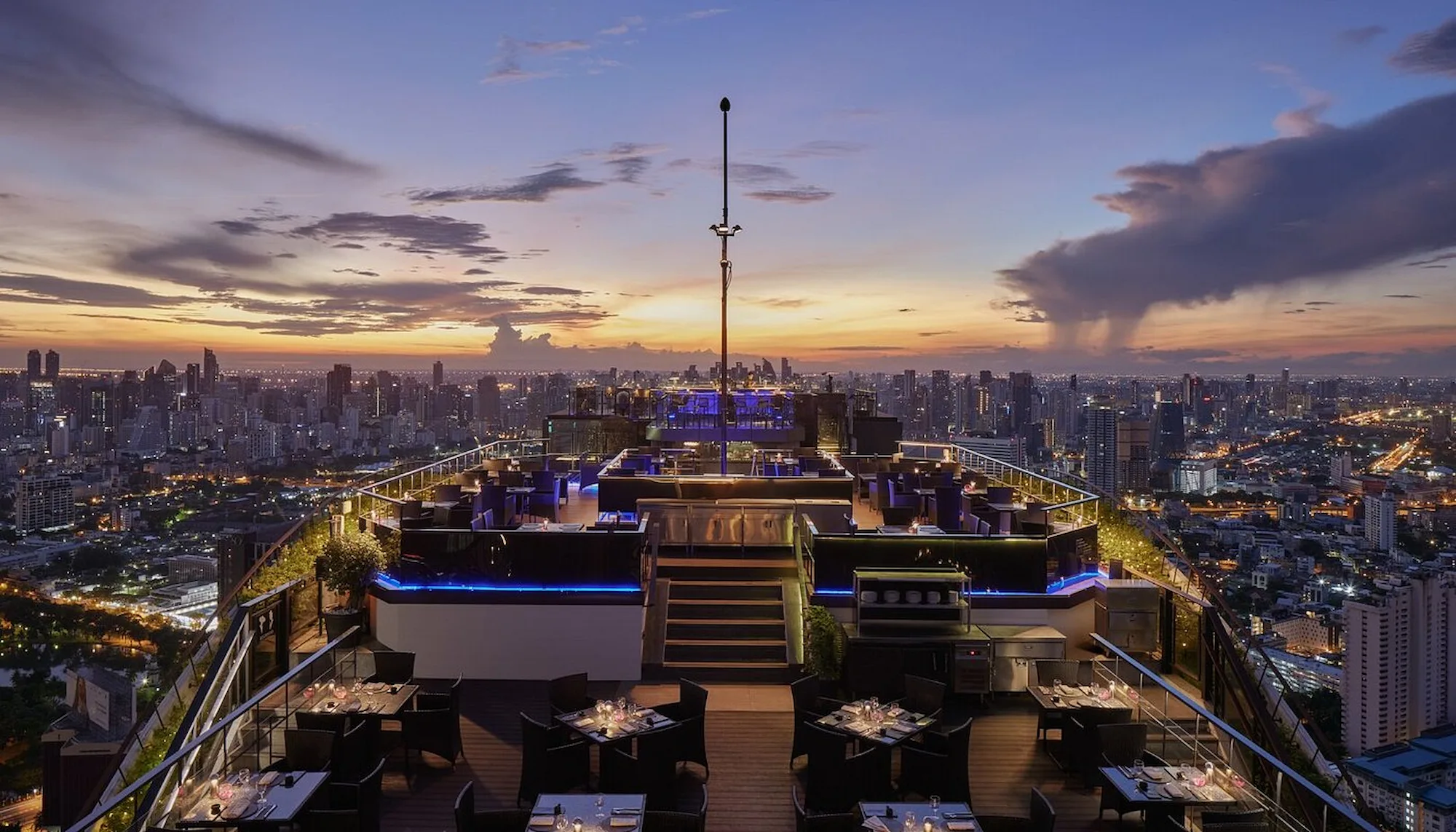
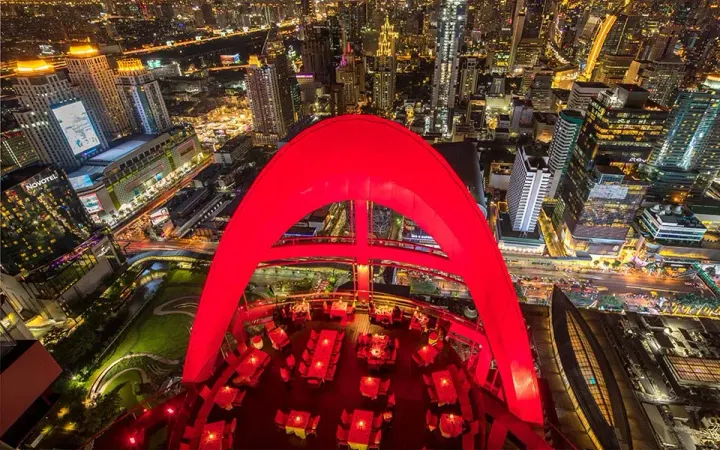
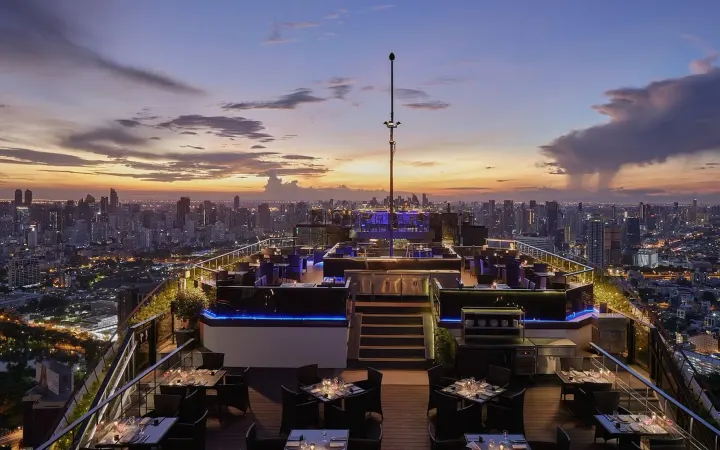
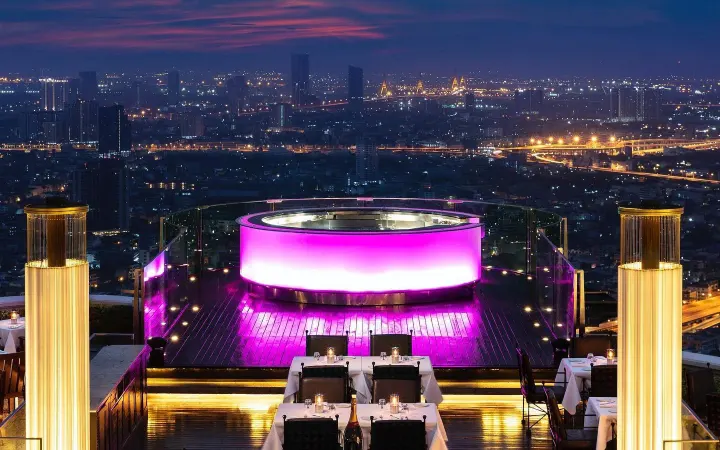
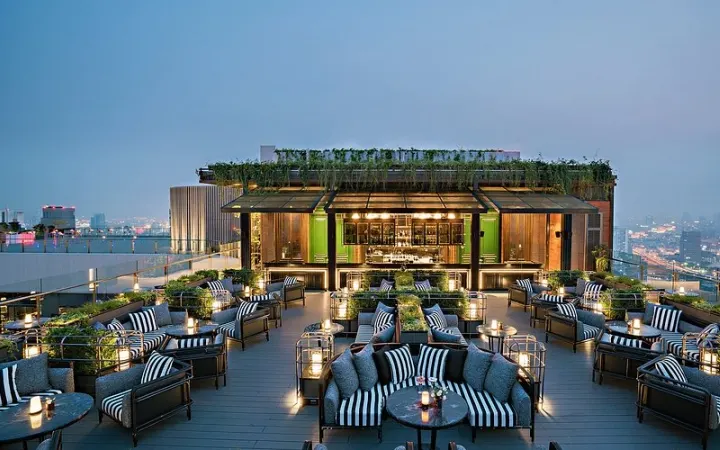
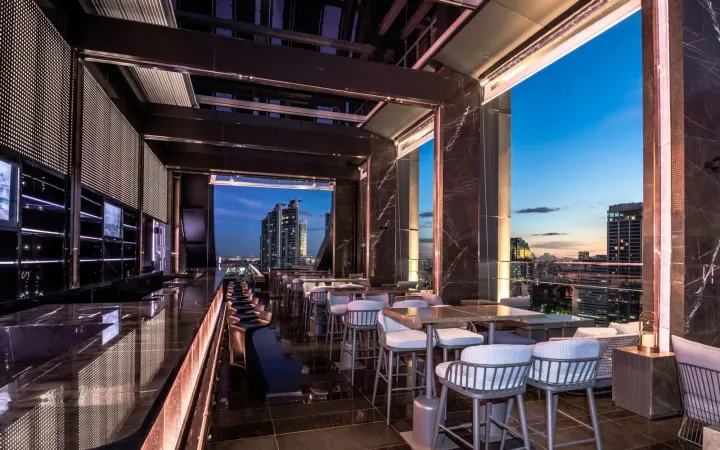
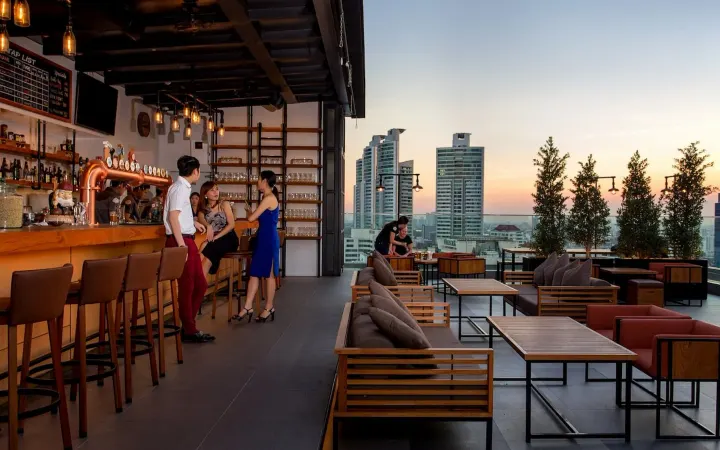
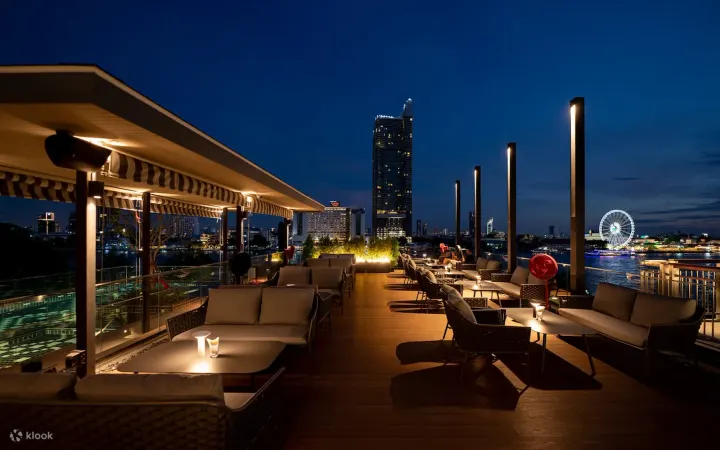
lasting from 30 minutes to two hours, then clears. Open-air rooftop bars may close their terrace while a storm
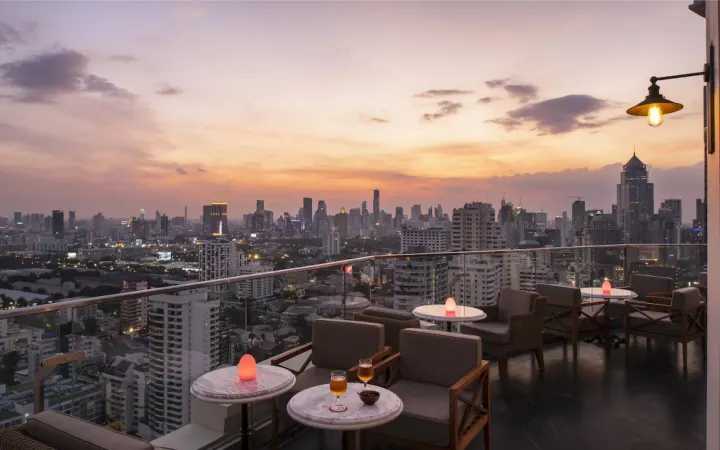
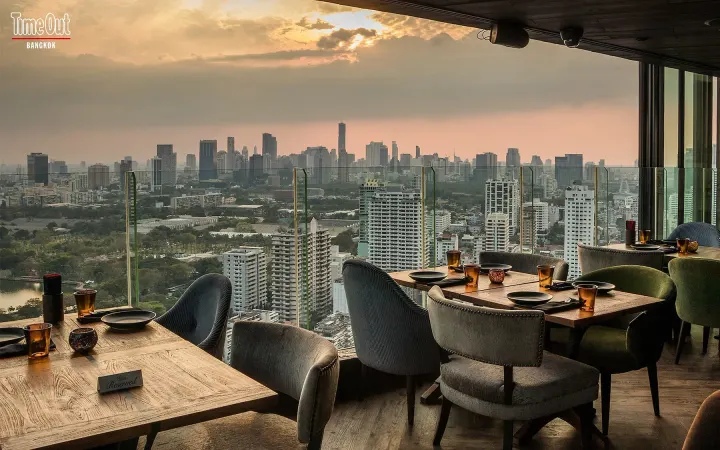
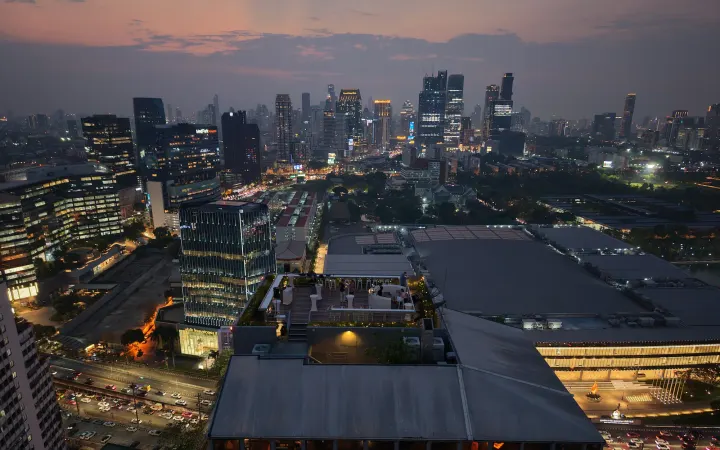
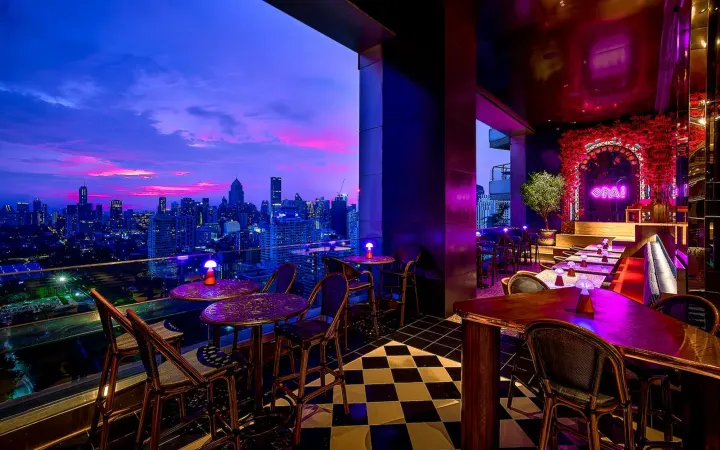
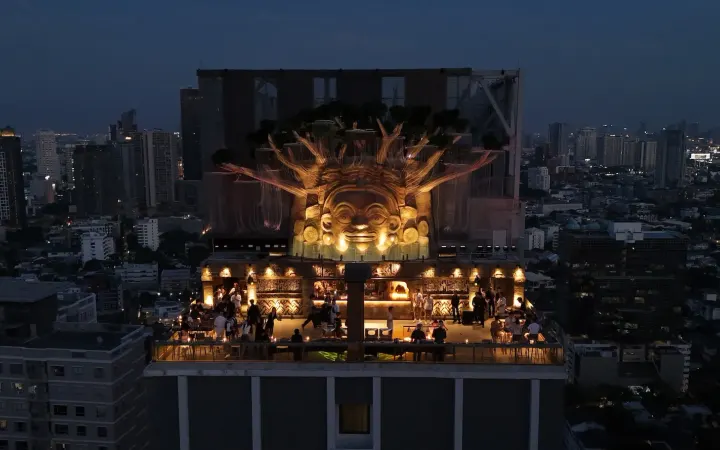
passes, so plan the rooftop for later in the evening and check whether it has a covered area. Rain also washes the
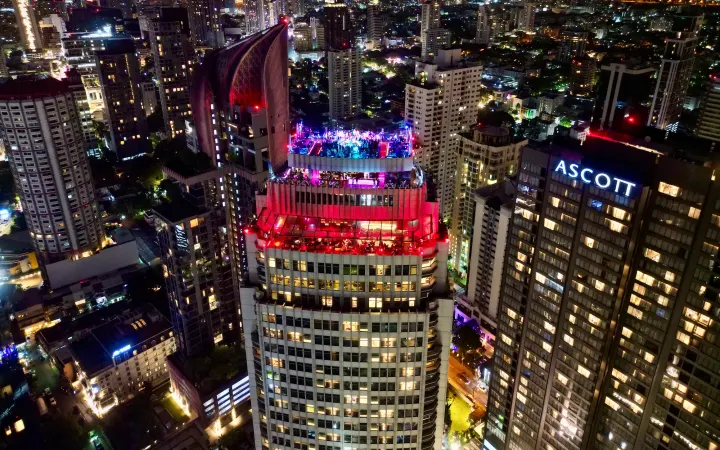
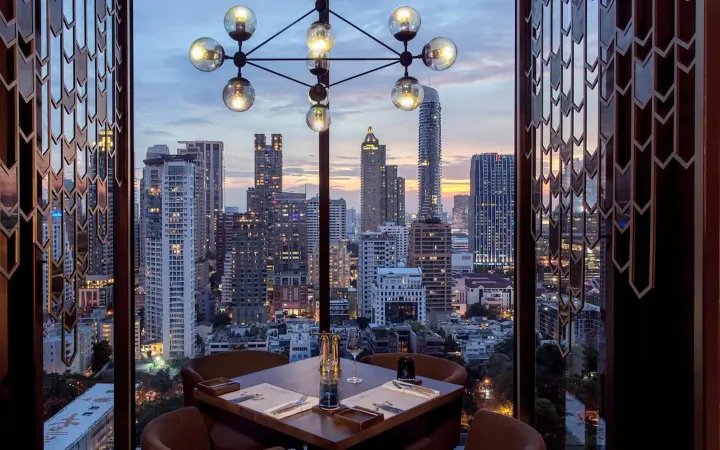
air, so the skyline is often sharper than on a hazy January night.
If you would rather skip the rain, November is a good compromise: the rain has mostly stopped, with around 45 mm
in the month, and rates sit below December's peak.
Cool Season: Mid-October to Mid-February
The rain tails off by November, and the months from then to February are the driest, the most comfortable and the
busiest. December is the most expensive month for hotels, so if you are coming for Christmas,
New Year's Eve or Chinese New Year (6 February 2027), book early. One catch for rooftop lovers:
from about December to March, PM2.5 haze often hangs over the city and can soften the skyline view.
Hot Season: Mid-February to Mid-May
Hot, with April the hottest month. Songkran, the Thai New Year water festival from 13 to 15 April, brings big
crowds to the main water-fight streets such as Silom and Khao San Road, so book early if you want to stay near
them. Plan your rooftops for after sunset, once the worst of the heat has gone.