

Cercle Is in Financial Trouble, but Should Fans Be Asked to Save It?
News · 25 June 2026
Cercle has cancelled its Mexico festival and asked fans for support. We examine its finances, ticket prices, partners and who should help save it.
At Bangkok Rooftops, we have followed Cercle since its earliest days.
Like millions of electronic-music fans, we watched as a relatively simple concept, filming remarkable artists in extraordinary locations, grew into one of the most recognisable cultural brands in the industry.
For years, we have even imagined what a Cercle performance might look like on one of Bangkok’s most spectacular rooftops, with the city’s skyline glowing behind the artist. It remains one of those dream events we would love to see happen someday.
That is why this is not an easy article to write.
We admire what Cercle has created, understand how much its productions mean to its audience and sincerely hope the project survives. But admiration should not prevent legitimate questions from being asked, particularly when ordinary fans are now being invited to help finance its recovery.
Following the cancellation of Cercle Festival Mexico, Cercle announced that it was facing serious financial difficulties and asked its community for direct financial support.
That request raises an uncomfortable but necessary question:
Should fans be expected to rescue Cercle from the financial consequences of business decisions they did not make?
Our position is not that people should refuse to support Cercle. Anyone who has received years of joy from its videos should be free to contribute.
But fans should not be the first or most obvious source of emergency financing, especially before Cercle’s owners, investors, commercial partners, artists and booking agencies have demonstrated what they are prepared to contribute.
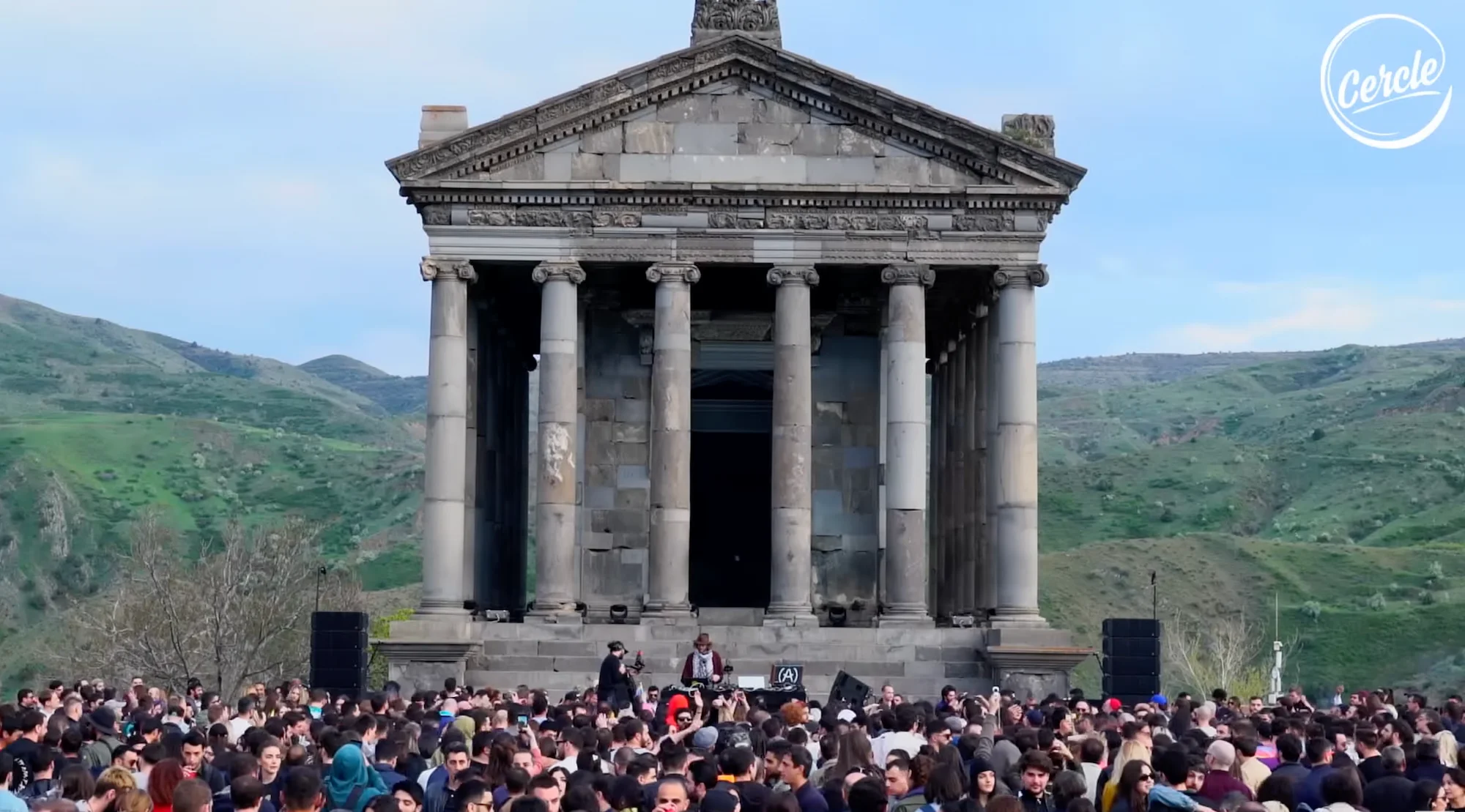
What happened to Cercle?
On 24 June 2026, Cercle announced that it was encountering “serious financial difficulties.”
The company explained that rising costs, higher taxes and shrinking margins had placed increasing pressure on its business following the COVID period. According to its statement, the financial balance Cercle had managed to maintain for years could no longer be sustained.
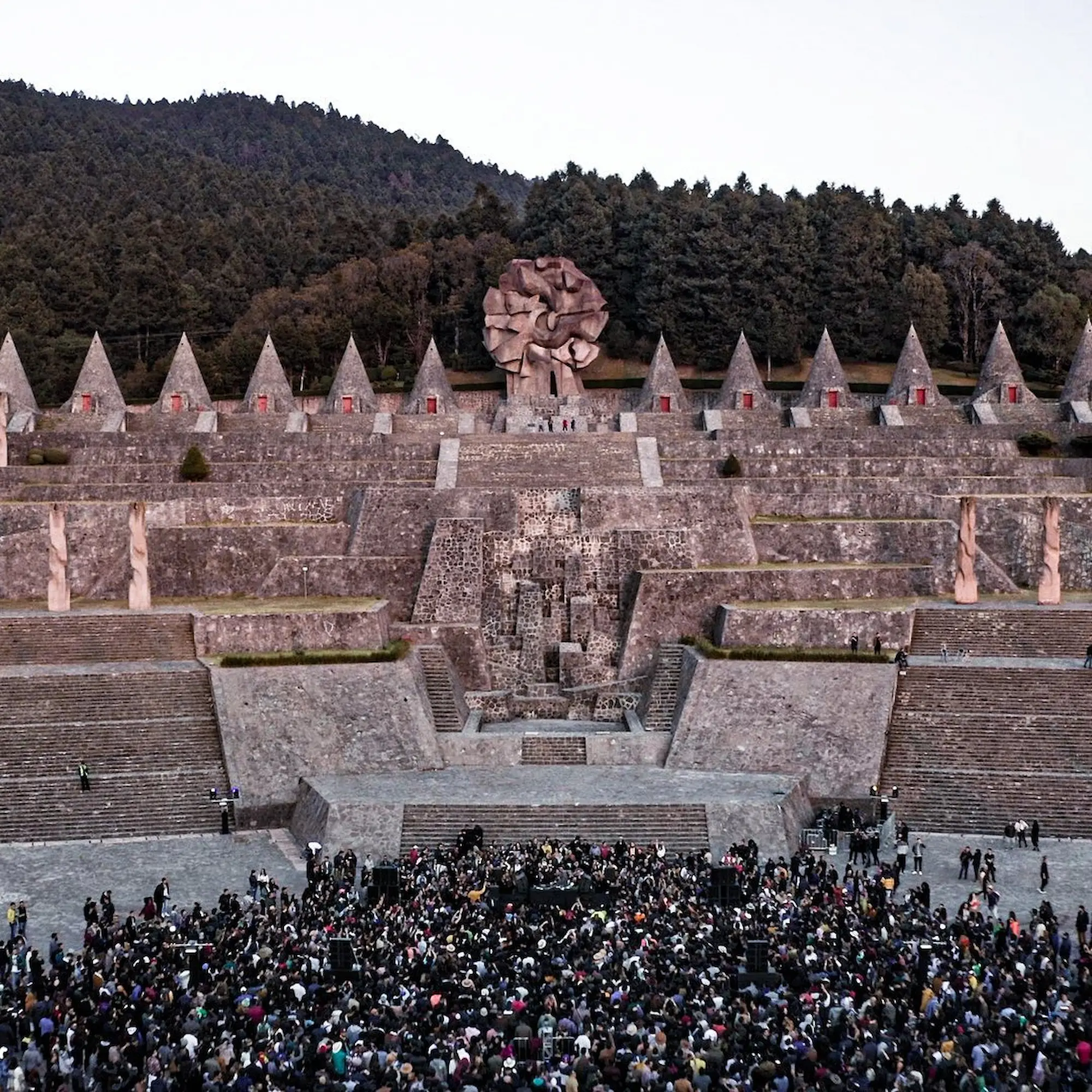
The announcement also confirmed the cancellation of Cercle Festival Mexico, which had been scheduled to take place in San José del Cabo on 14 and 15 November 2026.
Cercle said the event could no longer be delivered under the conditions and quality standards for which it had originally been planned. Ticket buyers were informed that they would receive automatic refunds.
The company then invited its audience to provide direct financial support through its website.
Cercle is therefore not merely asking people to continue watching, sharing or purchasing tickets. It is asking its community to provide cash to help the project continue.
Why some Cercle fans may consider the request unfair
Cercle’s audience has already contributed enormously to the company’s success.
Fans have purchased expensive festival tickets, premium experiences, merchandise and music. Many have also paid for international flights, hotels, local transport and time away from work to attend Cercle events in France, Mexico and other destinations.
Depending on the format, ticket category and release phase, prices across Cercle’s different events have ranged from approximately €98 for certain early releases to several hundred euros for weekend passes and premium experiences.
The ticket itself is often only one part of the expense.
For an international visitor, the final cost may include:
- Flights
- Several nights of accommodation
- Ground transportation
- Food and drinks
- Travel insurance
- Time away from work
- Festival or event tickets
- Premium upgrades and additional experiences
Fans also provide Cercle with immense promotional value.
Every YouTube view, social-media share, recommendation and user-generated video strengthens Cercle’s visibility and its appeal to artists, venues, sponsors and commercial partners.
These people are more than passive viewers. They helped create the cultural relevance that made Cercle valuable.
But they are still customers and supporters, not shareholders.
They did not approve Cercle’s production budgets, expansion plans, artist contracts, staffing levels or international festival strategy. They did not decide how much capital should be committed to Mexico or how much financial risk the business should accept.
It is therefore understandable that some supporters feel uncomfortable being asked to finance the recovery when they had no involvement in the decisions that created the financial exposure.

High Cercle ticket prices do not automatically mean high profits
It is important to recognise that an expensive ticket does not necessarily produce a large profit.
Cercle’s productions are fundamentally different from events organised every weekend inside a permanent nightclub.
A fixed venue can repeatedly use the same stage, sound system, lighting, furniture, bar infrastructure, permits and operational staff. Cercle often creates temporary productions in unusual, prestigious or logistically difficult locations.
Each project can require:
- Location agreements and permits
- Temporary stages and structures
- Artist and booking-agency fees
- International travel and accommodation
- Freight and equipment transportation
- Local production companies
- Sound, lighting and projection systems
- Film crews and broadcast technology
- Drones and specialist camera equipment
- Security and medical teams
- Event insurance
- Technical rehearsals
- Editing and post-production
- Marketing and ticketing
- Taxes and payment-processing costs
A €120 ticket is therefore not €120 of profit for Cercle.
After taxes, commissions, suppliers, artists, production teams and venue expenses have been paid, the remaining margin may be relatively small.
Many costs are also fixed.
If an event is designed for 5,000 guests but only sells 4,000 tickets, the organiser may still need to pay almost the same amount for the venue, stage, equipment, security and headline performers.
A relatively modest shortfall in attendance, sponsorship or average ticket revenue can therefore eliminate the expected profit.
However, understanding these economic realities does not remove the question of management responsibility.
What Cercle’s latest public financial figures show
The latest publicly available accounts currently relate to the financial year ending in December 2024.
They do not reveal Cercle’s complete position in June 2026, but they provide useful context.
Publicly available company data reports that Cercle recorded approximately:
- €292,000 in net profit in 2024
- €2.3 million in shareholders’ equity
- €1.47 million in cash
- €4.74 million in debts due within one year
- €22,100 in financial debt
The most striking development was the reduction in cash.
Cercle reportedly held approximately €3.39 million in cash in 2023, compared with €1.47 million at the end of 2024.
That represents a decline of approximately €1.92 million, or around 57%, within one year.
These figures do not prove that Cercle was insolvent in 2024. The company remained profitable on paper and held positive equity.
Nevertheless, the accounts suggest that its cash buffer had already decreased considerably before its major productions of 2025 and 2026.
A company can report an accounting profit and still face a serious cash-flow crisis.
Large amounts of money may be committed to deposits, suppliers, taxes, payroll and future productions before all the associated revenue has been earned. When several expensive projects overlap, available cash can disappear rapidly.
A surprising crisis considering Cercle’s prestigious partners
One of the most surprising aspects of Cercle’s financial difficulties is the calibre of the organisations associated with its events.
The official Cercle Festival 2026 partner page lists an impressive network that includes:
- The European Space Agency
- CNES, the French space agency
- The National Air and Space Museum of France
- Uber
- Synology
- Maison Perrier
- Champagne Nicolas Feuillatte
- GRDF and Sigeif
- WeRoad
- Konbini
- Futura
- Minuty
- Several food, beverage, media and technical providers
For a project publicly connected to major institutional organisations, international companies and prestigious consumer brands, the sudden appeal for fan funding is understandably surprising.
Cercle is clearly not an unknown independent collective operating without access to corporate decision-makers or potential commercial support.
Its events appeal to a premium international audience. Its productions generate exceptional visual assets, extensive media exposure and strong brand-association opportunities. Cercle even promotes its partnership offering as a way for companies to reach a high-end French and international audience.
That makes several questions difficult to avoid:
- How much revenue did Cercle receive from sponsorship?
- Were most partnerships financial or based on products and services?
- Did some partners contribute primarily through media exposure or technical support?
- Were sponsorship amounts insufficient relative to production costs?
- Were commercial partnerships negotiated strongly enough?
- Have existing partners been asked to help finance Cercle’s recovery?
- Are new long-term strategic sponsors being approached?
However, the presence of prestigious logos does not automatically mean that Cercle received millions of euros in cash.
The official page distinguishes between location partners, space partners, private partners, technical partners, media partners and official providers. Some organisations may have supplied products, services, expertise, venue access or promotional support rather than direct financial sponsorship.
A beverage provider supplying stock, a media company providing coverage or a technical company supplying equipment can significantly reduce costs without transferring a large cash payment.
Even so, the strength of Cercle’s commercial and institutional network makes the lack of financial detail in its public appeal more noticeable.
Before relying heavily on fans, Cercle should explain what support has been requested from this network and whether its largest partners are participating in the recovery.

What about Cercle’s YouTube and streaming revenue?
Any discussion of Cercle’s finances has to acknowledge its most visible asset: an enormous digital audience.
Cercle’s YouTube channel has millions of subscribers, and its films have collectively been watched hundreds of millions of times. Since April 2021 the company has also distributed audio of its sets on streaming services. Its mixes were made available on Apple Music, complete with curated playlists, and it maintains a presence on platforms such as Spotify and SoundCloud.
These are recurring, largely passive revenue streams that keep earning between productions. Many supporters will reasonably point to them and ask why a brand with this much digital reach needs emergency funding from its audience.
It is a fair question. But the same caution that applies to ticket prices applies here:
Large view counts do not automatically translate into large net income for Cercle.
Cercle’s sets are built almost entirely on other artists’ copyrighted music. On YouTube, much of the advertising revenue from a video can be claimed by the rights holders of the tracks being played, through automated content-identification systems. On streaming, royalties are similarly shared with labels, publishers and performers. Cercle itself has acknowledged the difficulty: when it brought its sets to Apple Music in 2021, the company said it had waited years for a service that could offer them “legally and fairly,” calling licensing “a major problem in the world of electronic music.”
In other words, the catalogue generates real money, but a meaningful share of it flows to the artists and labels whose music makes the sets possible, not to Cercle alone.
Even so, a back-catalogue of this scale and cultural weight is a genuine asset, and the questions remain worth asking:
- How much do YouTube and streaming actually contribute to Cercle’s revenue?
- Has that income been fully developed through catalogue licensing, sync deals or a wider streaming presence?
- Could the back-catalogue itself be used to raise financing?
Before asking fans for cash, Cercle could reasonably be expected to show that the value of its digital catalogue has been fully maximised.
Did Cercle become too ambitious?
Cercle describes itself as a project built around ambition, risk and the desire to create experiences that had never existed before.
That philosophy is responsible for much of its success.
It may also have contributed to its financial vulnerability.
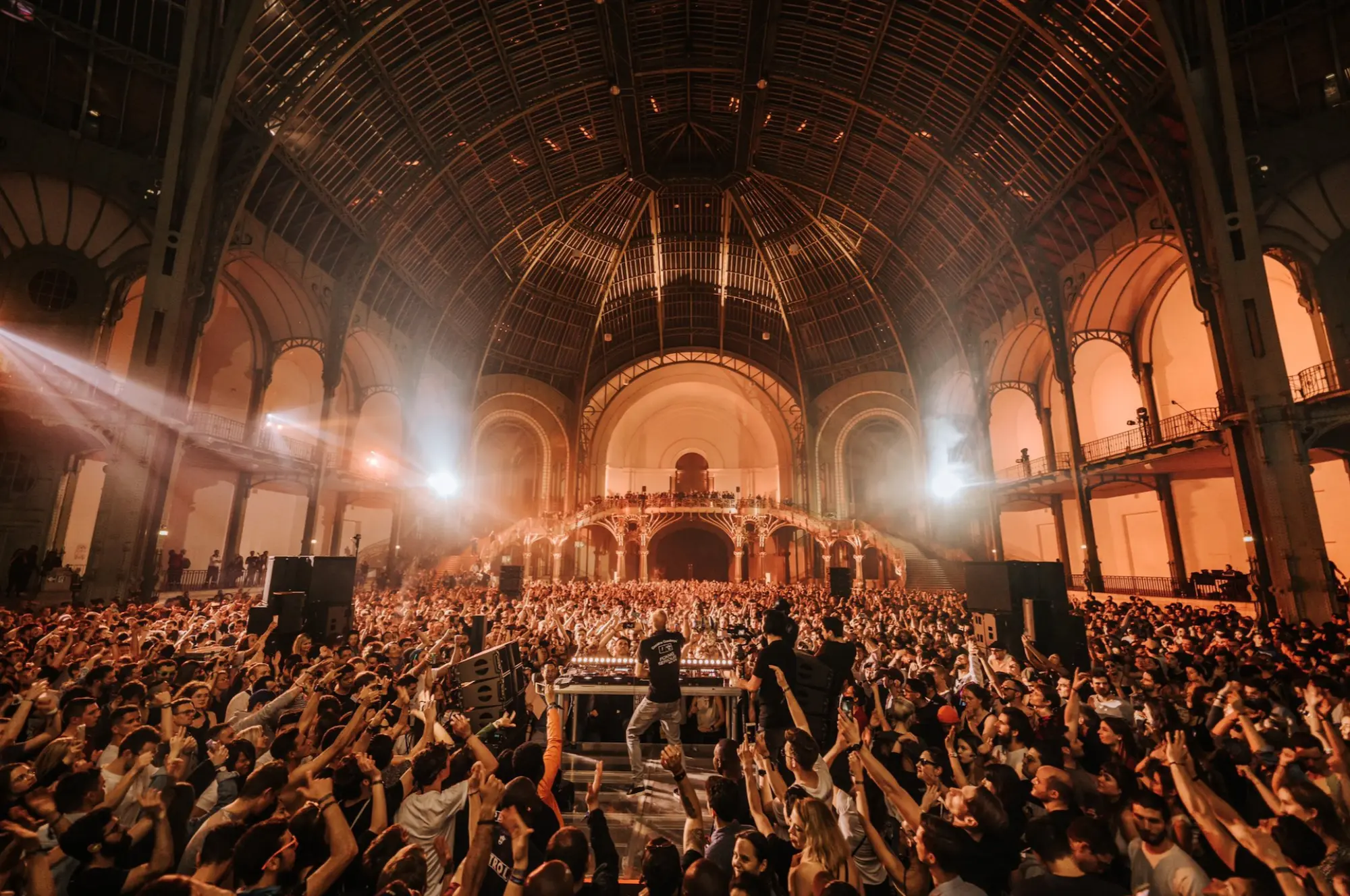
Only weeks before announcing its difficulties, Cercle described its May 2026 festival at the National Air and Space Museum of France as its most ambitious edition to date.
The three-day production included three large stages, more than 40 international artists, extensive audiovisual installations and a large international audience.
At the same time, Cercle was preparing its first festival in Mexico, another international production requiring advance planning, staffing, supplier commitments, artist negotiations and significant expenditure.
The exact Mexico budget has not been disclosed. We also do not know how much money had already been spent or how much can be recovered following the cancellation.
It would therefore be premature to claim that Cercle Festival Mexico alone caused the crisis.
But the timing raises legitimate questions about whether Cercle:
- Expanded too quickly
- Committed to too many expensive formats simultaneously
- Underestimated the logistical cost of Mexico
- Maintained insufficient contingency reserves
- Relied too heavily on advance ticket income
- Expected sponsorship or ticket sales that did not materialise
- Prioritised production standards over financial resilience
- Failed to protect the wider company from the risk of individual projects
Creative ambition is not a financial strategy.
When a company repeatedly produces events with high fixed costs and narrow margins, it needs substantial working capital, conservative forecasting and protected emergency reserves.
Without those protections, one disappointing event or unexpected cost increase can place the entire organisation at risk.
Why advance ticket sales can conceal financial pressure
Event companies frequently receive money months before an event takes place.
That cash may immediately be used to pay:
- Venue deposits
- Artist advances
- Production companies
- Equipment suppliers
- Marketing expenses
- Travel bookings
- Salaries and operating costs
However, the money is not fully secure until the event has been delivered.
If the event is cancelled, customers must be refunded, even when part of the ticket revenue has already been spent on non-refundable deposits and preparation.
This creates a dangerous mismatch.
An event organiser may appear to have substantial cash after launching ticket sales, while simultaneously carrying an obligation to either deliver the event or return that money.
When future ticket revenue is used to finance current costs, the model becomes increasingly fragile.
We do not have enough information to conclude that this is precisely what happened at Cercle. But its falling cash position, large short-term liabilities and cancellation exposure make it a credible area of concern.
Should Cercle’s artists and booking agencies contribute?
This may be the most important issue missing from Cercle’s public appeal.
Artists receive significant value from appearing in a Cercle production.
A professionally filmed Cercle performance can:
- Introduce an artist to millions of new listeners
- Strengthen their international reputation
- Generate years of high-quality promotional content
- Increase social-media visibility
- Improve demand for future shows
- Support higher booking fees
- Create one of the defining audiovisual assets of their career
For some DJs, a Cercle performance becomes one of their most recognised and widely viewed appearances.
That does not mean every artist received an excessive fee.
Cercle has not disclosed individual artist agreements, and it would be irresponsible to claim that every DJ walked away with an enormous payment. Some artists may have accepted reduced fees, covered part of their own costs or contributed in other ways.
The agreements almost certainly varied between filmed shows, festivals, tours and smaller productions.
Nevertheless, the broader principle remains valid:
The professional ecosystem that benefited commercially from Cercle should be asked to participate in its recovery before the financial responsibility is placed primarily on fans.
Artists, managers and booking agencies could help through:
- Voluntary fee reductions
- Temporary fee deferrals
- Benefit performances
- A dedicated fundraising festival
- Revenue-sharing from selected releases
- Sponsor introductions
- Interest-free bridge financing
- Reduced fees for future productions
- Donated performances for a fundraising livestream
- Contributions linked to the performance of historic Cercle videos
A coordinated benefit event featuring several major artists previously showcased by Cercle could potentially raise significant money while demonstrating genuine industry solidarity.
It would also send a stronger message than asking thousands of ordinary fans to make small individual payments.
Responsibility ultimately remains with Cercle’s owners and management
Artists may have benefited from Cercle, but they did not manage the company.
The primary responsibility for stabilising the business remains with its founders, directors, shareholders and executive team.
Before asking ordinary supporters for money, Cercle should explain:
- What its shareholders are contributing
- Whether existing investors are providing additional capital
- Whether new investors are being approached
- What costs have already been reduced
- Whether management compensation is being adjusted
- Which projects will be postponed or cancelled
- How future events will be financially protected
- How fan contributions will be used
A credible recovery plan must involve more than an emotional appeal.
It must address the underlying reasons the company became vulnerable.
Otherwise, fan contributions may temporarily cover the problem without solving it.
Cercle’s public appeal needs greater transparency
Cercle’s announcement is emotionally powerful, but it currently leaves several important financial questions unanswered.
At the time of publication, Cercle had not publicly provided a detailed explanation of:
- The total amount it needs to raise
- The precise size of the current cash shortfall
- The amount already committed to Mexico
- The amount that cannot be recovered
- The total value of refunds
- Whether employees or suppliers are awaiting payment
- Whether refund money is fully protected
- How much shareholders are contributing
- What financial support has been requested from partners
- Whether artists and agencies have been asked to participate
- What cost reductions are being implemented
- How the business model will change after the campaign
Fans deserve clarity before being asked to provide emergency financing.
An emotional account of Cercle’s history explains why people care about the project. It does not replace a transparent recovery plan.
Is Cercle bankrupt?
Based on the public French company information available when this article was prepared, Cercle remains listed as an active company.
No formal safeguard, judicial restructuring or liquidation procedure was displayed in the public registry reviewed on 25 June 2026.
That does not mean Cercle is financially healthy.
It means that the phrase “serious financial difficulties” should not automatically be interpreted as a formal declaration of bankruptcy.
The company may be facing a liquidity shortage, a future-payment problem or an urgent need for working capital without having entered formal insolvency proceedings.
Cercle has not yet disclosed enough current financial information to determine the precise extent of the crisis.
Fans can support Cercle, but it must remain a genuine choice
There is nothing inherently wrong with voluntary crowdfunding.
Many people have received years of free entertainment from Cercle and may genuinely wish to contribute. Some supporters will see a payment as a thank-you for the memories, music and discoveries rather than as an investment.
That is entirely legitimate.
The problem begins when emotional loyalty replaces accountability.
Fans should not be made to feel personally responsible for protecting a private company from the consequences of high-risk commercial decisions.
Nor should they be asked to provide a blank cheque without knowing how the money will be used.
A fairer order of responsibility would be:
- Cercle’s founders, shareholders and investors
- Major commercial partners and sponsors
- Artists, managers and booking agencies that benefited from Cercle
- Creditors and strategic financing partners
- Fans who freely choose to contribute after receiving transparent information
The audience should be the community Cercle wants to protect, not the emergency financing mechanism on which its survival depends.
Our view: Cercle deserves a future, but fans deserve transparency
The disappearance of Cercle would be a genuine loss for electronic music culture.
Few organisations have combined music, architecture, landscape, heritage and filmmaking with the same consistency and ambition.
Cercle created unforgettable performances, introduced audiences to extraordinary destinations and gave artists a platform unlike almost anything else in the industry.
We sincerely hope it survives.
We would still love to see the day when a Cercle artist performs above Bangkok, surrounded by the city’s skyline.
But hoping for Cercle’s survival does not mean its business decisions should escape scrutiny.
Fans have already contributed through tickets, travel, merchandise, attention and years of engagement. Asking them for additional financial support without publishing a detailed recovery plan risks transferring responsibility from business decision-makers to consumers.
Cercle should first seek meaningful contributions from its shareholders, investors, prestigious commercial partners, artists and booking agencies.
It should then disclose:
- How much money is required
- What the money will finance
- What caused the shortfall
- What stakeholders are contributing
- What will change to prevent another crisis
Cercle deserves support, but not unconditional support.
Its cultural importance does not remove the need for financial accountability.
And the everyday music lover should not automatically be expected to pay for risks they did not choose.
Frequently Asked Questions
Why is Cercle facing financial difficulties?
Cercle says rising production costs, higher taxes and shrinking margins have made its activities increasingly difficult to sustain. Its latest publicly available accounts also show a significant reduction in cash between 2023 and 2024, although the company has not disclosed its complete financial position for 2025 or 2026.
Why was Cercle Festival Mexico cancelled?
Cercle said the event could no longer be delivered under the conditions and quality standards for which it had originally been designed. The cancellation was announced alongside its financial difficulties.
Will Cercle Festival Mexico tickets be refunded?
Cercle stated that ticket buyers would receive automatic refunds following the cancellation.
Is Cercle bankrupt?
No formal safeguard, judicial restructuring or liquidation procedure was displayed in the French public company information reviewed on 25 June 2026. Cercle has announced serious financial difficulties, but that is not equivalent to a legal declaration of bankruptcy.
Is Cercle asking fans for money?
Yes. Cercle is inviting members of its audience to support the project financially through its official website.
Does Cercle have major partners?
The official Cercle Festival 2026 partner page lists organisations including ESA, CNES, Uber, Synology, Maison Perrier, Nicolas Feuillatte and the National Air and Space Museum of France. However, the financial value of these partnerships has not been publicly disclosed, and some may involve products, services, media coverage or institutional support rather than direct cash sponsorship.
Do high Cercle ticket prices mean the company was highly profitable?
Not necessarily. Ticket revenue must cover venues, artists, production, equipment, staffing, taxes, insurance, filming and other costs. However, expensive productions also make conservative budgeting, sponsorship monetisation and contingency planning essential.
Does Cercle earn money from YouTube and streaming?
Yes. Cercle has a large YouTube channel and, since 2021, distributes audio of its sets on streaming services including Apple Music. However, because the sets are built on other artists’ music, a significant share of that YouTube and streaming income is claimed by or shared with the relevant labels, publishers and performers rather than going to Cercle alone.
Should Cercle’s DJs and artists help financially?
There is no automatic legal obligation for artists to rescue Cercle. However, artists and their representatives have received significant promotional value from Cercle’s productions. Benefit events, reduced future fees, voluntary contributions or fundraising collaborations would represent a credible form of industry solidarity.
Sources and further reading
- Cercle official website and support appeal
- Official Cercle Festival 2026 partners
- Official Cercle Festival Mexico page
- Cercle company information and public financial data on Pappers
- Beatportal: Cercle cancels Mexico festival, citing financial difficulties
- Cercle Festival 2026 Paris event recap
- ESA announcement about its Cercle Festival partnership
- EDMTunes: Cercle sets now available on Apple Music
- Cercle’s official page on Apple Music
This article contains commentary and analysis based on publicly available information. Cercle has not released a complete breakdown of its 2025-2026 finances, individual artist fees, sponsorship income or the financial impact of cancelling Cercle Festival Mexico.